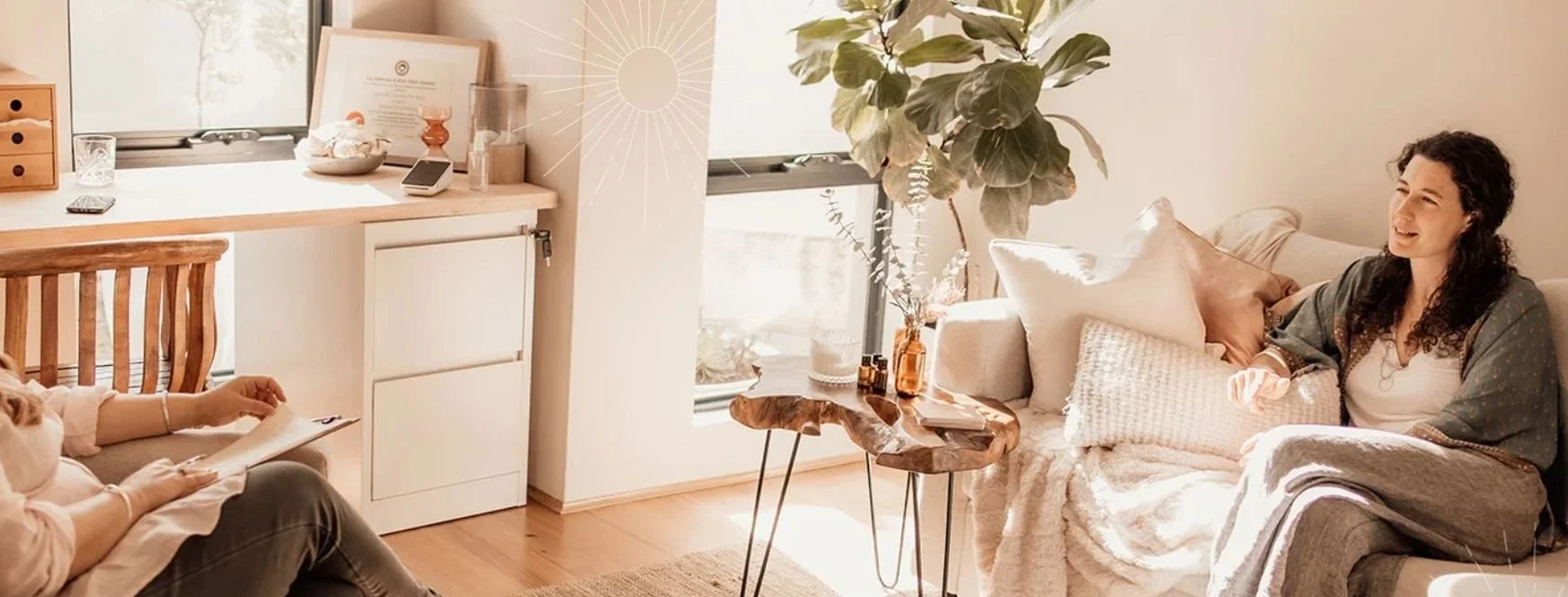
Bindi Forrester
Registered Clinical Counsellor
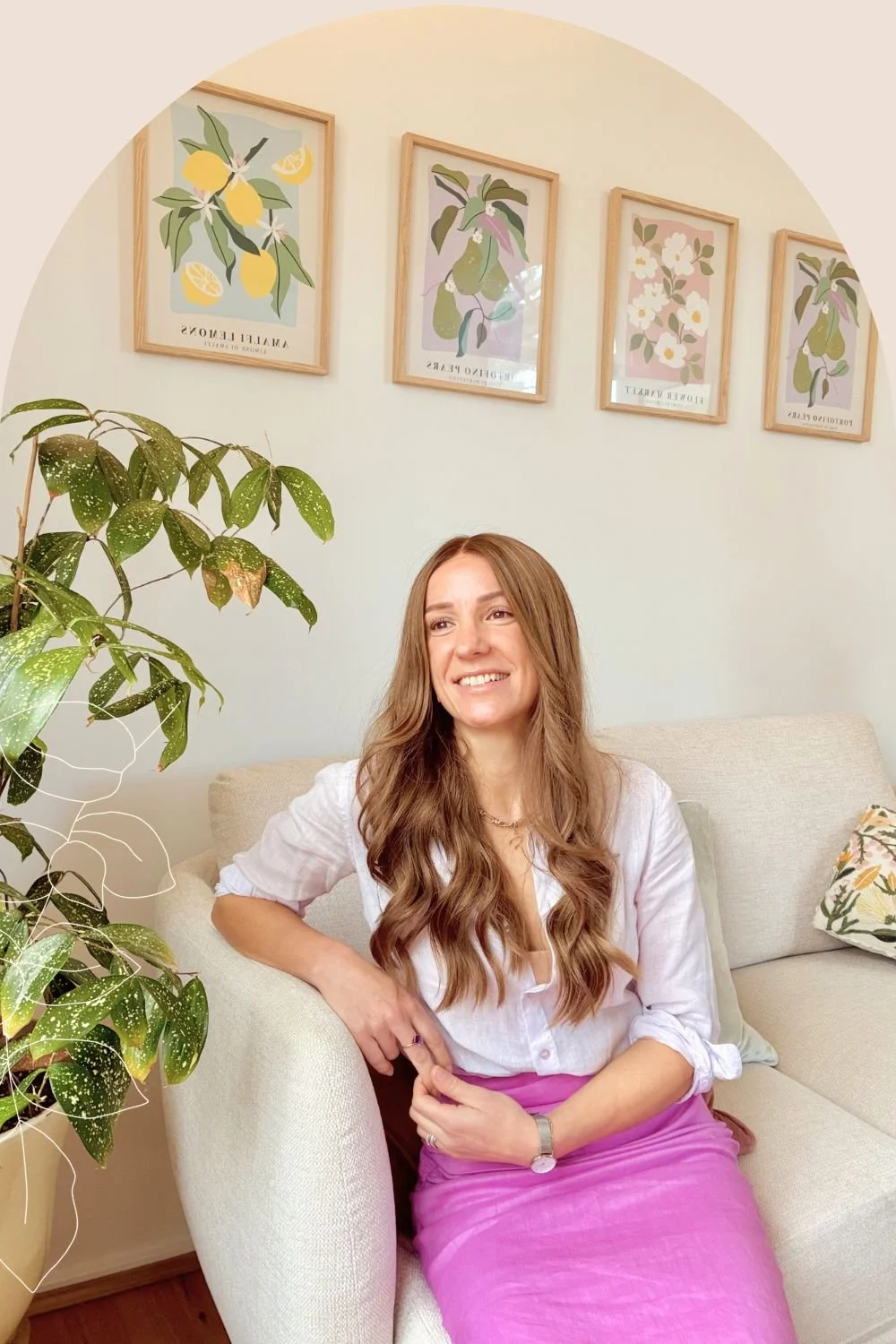
Welcome.
Perhaps you've spent years trying to understand why you think, feel, or move through the world differently.
Maybe you've become exhausted trying to make sense of yourself, wondering why things seem harder than they appear to for everyone else.
Therapy offers the opportunity to understand your experiences with curiosity rather than judgement and discover new ways of moving through the world.
It's a privilege to walk alongside people as they make sense of their experiences, reconnect with themselves, and grow into lives that feel more like their own.
I don't believe you need to become someone new. Our sessions are about helping you uncover your true self.
I believe every behaviour makes sense in the context of someone's story, and that our coping strategies often begin as wise ways of helping us survive. Sometimes what we need most is the opportunity to slow down, understand ourselves more deeply, and make sense of the experiences that have shaped us.
You may have a sense there's more to understand about yourself: Perhaps you're navigating neurodivergence, grief, identity shifts, or a period of change.
Everything makes sense in the context of your story. Understanding why you respond the way you do creates the freedom to choose what comes next.
From that place of understanding, change becomes less about fixing yourself and more about responding to yourself with greater compassion, choice, and authenticity.
Together, we'll explore your experiences with curiosity, make sense of the significant moments that have shaped you, and discover new ways of responding that feel more aligned to you.

“Every part of you makes sense in the context of your story. As your experiences begin to make more sense, you'll often discover you have more choice than you once believed.”

Therapy is about more than feeling heard - it's about finally making sense of yourself.
We'll slow things down and gently explore what's happening beneath the surface, whether that's your emotions, nervous system responses, or long-standing habits that no longer fit. As your experiences begin to make more sense, new possibilities for responding naturally begin to emerge.
My style is collaborative, warm, and responsive to how you arrive each day. At times I'll simply listen, while at others I may reflect themes, workshop a difficult conversation, teach a practical skill, or share observations that help bring greater clarity.
Over time, you may find yourself responding to yourself with greater compassion, feeling more confident navigating life's challenges, and becoming more intentional in the choices you make.
Over time, you'll spend less energy trying to understand what's wrong with you, and more energy discovering practical ways of navigating life that feel more aligned and sustainable.

Supporting You Through...
-
Relational patterns, how we seek safety, closeness, or distance, are often shaped long before we're consciously aware of them. In therapy, I help clients notice these patterns as they show up in real time, including within our own therapeutic relationship, where new ways of relating can often be explored safely and gently.
Together, we explore where these patterns come from and how they impact current relationships, without getting stuck in blame or self-criticism.
Over time, clients often find they're better able to recognise their needs in relationships, communicate them clearly (even if it feels uncomfortable at first), and choose connections that feel respectful, supportive, and nourishing.
-
If you've been late-diagnosed or spent years masking, you may have come to believe that struggling means you're failing. Together, we'll make sense of your executive functioning, sensory needs, and the strategies you've developed to cope, recognising them as adaptations rather than flaws.
Rather than trying to "fix" the way your brain works, we'll explore practical strategies and environments that support you as you are. Over time, you'll experience less burnout and overwhelm, while developing a greater appreciation for the strengths that come with being neurodivergent.
-
Understanding your nervous system can help explain why you respond the way you do during times of stress, overwhelm, or uncertainty. Together, we'll explore somatic and polyvagal-informed approaches, practising them in session so they become familiar and accessible in everyday life.
This isn't about feeling calm or regulated all the time. You're human, and your emotions deserve to be felt, not avoided. Instead, we'll build the flexibility to recognise when you need to soothe, when you need to stay with difficult emotions, and how to move through them with greater confidence.
-
Perhaps boundaries have always felt difficult. You may avoid them altogether, or find yourself setting them so firmly that they create distance rather than connection. Together, we'll explore what's sitting beneath those patterns, whether it's people-pleasing, fear of conflict, or years of putting your own needs aside.
We'll practise identifying your limits and communicating them in ways that feel authentic and respectful. Over time, you'll become more confident saying no without guilt, saying yes without resentment, and creating relationships that feel more honest and sustainable.
-
If your inner critic has been running the show for years, you're not alone. Together, we'll become curious about that voice, explore where it came from, and begin building a kinder, more compassionate relationship with yourself.
This isn't about positive thinking or ignoring life's challenges. It's about developing a different way of responding to yourself, so that setbacks are met with curiosity instead of judgement, and growth feels possible without constant self-criticism.
-
With many years of experience supporting people through grief, I work alongside clients navigating bereavement, as well as other forms of loss and life transition, including relationship endings, health changes, and identity shifts.
My approach isn't "time heals all" or neatly moving through "the five stages of grief." I don't believe grief is something to get over, but something to build an ongoing relationship with.
Together, we'll find ways to carry your grief that feel more bearable over time, while maintaining a meaningful connection to who or what has been lost, rather than feeling pressure to move on from it.
Over time, you'll find you're able to hold your grief with greater compassion, less isolation, and a deeper sense of continuity between who you were and who you're becoming.
Explore Grief Counselling Here
My practice is dynamic, neuroaffirming and grounded in our strong therepeutic relationship.
I tailor my approach to your unique experiences, strengths, and goals, drawing on evidence-based therapies that support meaningful and lasting change- for all brains and nervous sytems.
-
I'm drawn to working with the body because so much of what we experience, like anxiety, shutdown, or hypervigilance, lives in the nervous system before we have language for it. Understanding your nervous system helps us make sense of why you respond the way you do, while somatic tools support lasting emotional change rather than simply talking about it.
-
Meaningful change begins with understanding ourselves rather than judging ourselves. Compassion-focused and mindfulness-based approaches help you slow down, notice your internal experiences with curiosity, and develop a kinder relationship with difficult thoughts, emotions, and parts of yourself. It's less about fixing yourself and more about changing the relationship you have with yourself.
-
As a neurodivergent clinician, my work is grounded in a neuroaffirming approach that recognises neurotypes as natural variations rather than deficits.
I've learned there's a world of difference between finding things hard because your brain works differently and believing you're failing because of it.
I enjoy supporting late-diagnosed and high-masking ADHD, autistic, and AuDHD clients. Together, we'll make sense of your nervous system, executive functioning, and sensory needs so you can build a life that fits who you are, rather than who you've felt you needed to be.
-
When it feels meaningful, I incorporate creative approaches such as metaphor, imagery, writing, or art-making to support reflection, emotional expression, and insight - particularly when experiences are difficult to put into words.
I’m known to bring out the whiteboard! Helping clients understand why they feel and respond the way they do, whether that's how the nervous system works, what's happening in a shame spiral, or how executive functioning shows up day to day. I find that understanding the context for our experiences visually is often the first step towards compassion.
-
Parts-informed therapy helps you understand the different aspects of yourself, such as the inner critic, your protective parts, or younger parts that still carry fear or hurt, without negatively labelling any of them.
Rather than trying to eliminate these parts, we work towards understanding their purpose and developing a more compassionate, connected relationship with them.

You don't need less sensitivity, fewer emotions, or a different brain. You need a way of understanding yourself that allows you to work with yourself rather than against yourself.
Explore genuinely neuro-affirming therapy with neurodivergent therapists.
Qualifications & Experience
Qualifications:
Master of Counselling & Psychotherapy 2022,
Edith Cowan University
Professional Registration:
Psychotherapist & Counsellors Federation Australia
Professional Development:
Essentials of Neurodiversity Affirming Practice, 2026
Square Model, Treating Trauma in Neurodivergent Clients, 2026
Trauma Informed Care, 2024
Internal Family Systems (IFS) for Long-Term Emotional Recovery from Trauma, Anxiety & Depression, 2024
Shapes of Grief, 2024
DBT skills for Adolescents and Families, 2023
Internal Family Systems: Two-Day Introduction, 2023
Somatic Therapy for Trauma Treatment, 2023
Attachment & Trauma Treatment, 2023
ACT Made Simple, 2023
Regulating The Nervous System through Body Consciousness, 2021
200 Hour Yoga and Meditation Teacher Training, 2018

Sometimes the greatest relief comes from realising that your struggles aren't personal failures.- Everything makes sense. From that understanding, new possibilities begin to emerge.
Make an enquiry with Bindi
Bindi sees clients from our Cottesloe office or online.
Accepting New Clients - No wait times
Bindi runs her own Private Practice and engages Gabriella de Mori & Co to provide supportive administrative and other business services.